TLDR: Navigating the 2026 BNPL Culture
The “Buy Now, Pay Later” (BNPL) trend in India has transformed credit from a last resort into a frictionless lifestyle enabler. While convenient, this “payment fragmentation” shifts consumer focus from total affordability to manageable monthly EMIs, leading to “invisible debt traps” that erode savings and delay wealth creation.
To maintain financial health and pursue goals like early retirement, individuals should:
- Protect Credit Scores: Avoid multiple simultaneous small loans and high credit utilization.
- Apply the 3-Filter Rule: Evaluate purchases based on “Need vs. Want,” impact on savings, and exit flexibility.
Prioritize Investments: Minimize non-productive lifestyle debt to maximize compounding returns.
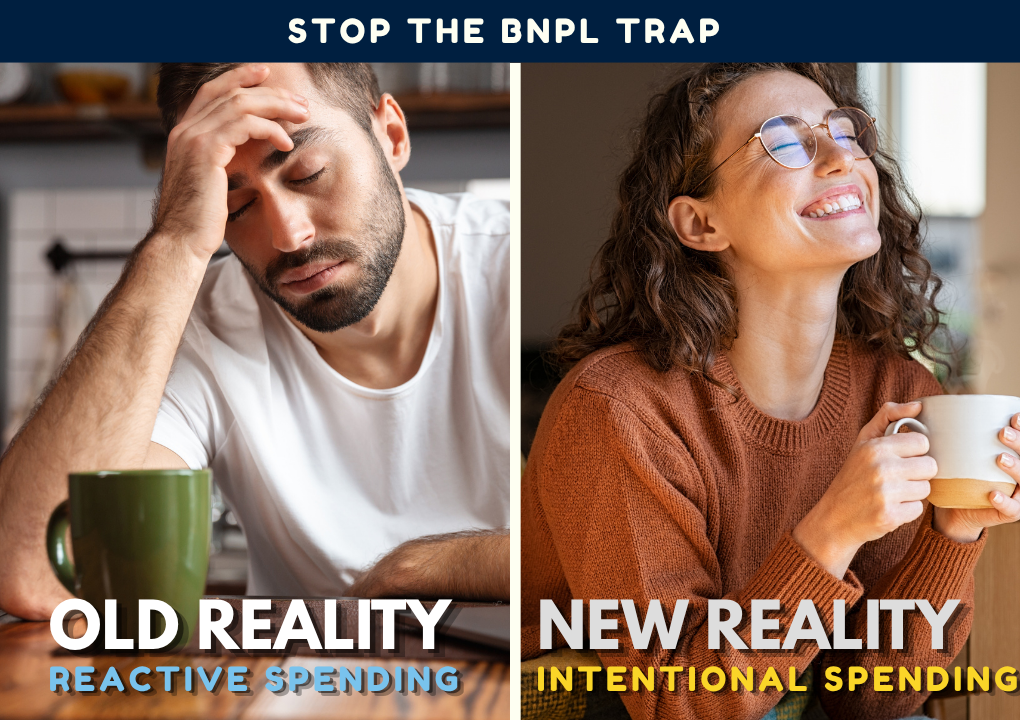
Ultimately, financial independence is determined by behavior rather than just income level. Success requires transitioning from reactive, convenience-driven consumption to intentional, plan-based spending.
On a Sunday afternoon, Ankit sat in a café scrolling through his phone. A new smartphone had just launched. The price felt high, but right below it was a tempting option.
“Buy Now, Pay Later. No cost EMI.”
It looked harmless. No paperwork. Instant approval. Just a few clicks.
Ankit thought, “Why not? I can easily manage ₹3,000 per month.”
Three months later, he had:
- A smartphone EMI
- A furniture EMI
- A vacation EMI
- Two credit cards partially used
Individually, each decision seemed manageable. Together, they quietly reshaped his financial life. This is the new middle-class reality in India in 2026.
Understanding the Rise of BNPL in India
The Buy Now Pay Later culture has grown rapidly over the last few years.
Fintech platforms and lenders have made credit:
- Instant
- Accessible
- Frictionless
Unlike traditional loans, BNPL does not feel like debt.
There are no long forms. No bank visits. No waiting.
Just one tap.
For many urban professionals, especially younger earners, BNPL has become a default way of spending.
But there is a deeper shift happening.
Credit is no longer a last resort. It is becoming a lifestyle enabler.
Why BNPL Feels So Comfortable
To understand the risk, we must first understand the psychology. BNPL works because it reduces the pain of paying.
When you pay ₹30,000 upfront, the decision feels heavy, but when you pay ₹3,000 per month, it feels small. This is known as payment fragmentation.
It changes how the brain perceives affordability.
You stop asking:
- “Can I afford this?”
- And start asking:
- “Can I afford the EMI?”
This small shift creates long-term consequences.
The Invisible Debt Trap
Let us go back to Ankit. His monthly income is ₹1 lakh. Initially, his EMIs total ₹8,000. That seems reasonable.
But over time:
- New offers appear
- Lifestyle expectations increase
- Social comparisons creep in
Within a year, his fixed commitments rise to ₹28,000 per month.
Now add:
- Rent
- Insurance
- Daily expenses
Suddenly, his savings rate collapses. And he has not made any major mistakes. Just a series of small, easy decisions. This is the middle-class debt trap.
The New Credit Stigma in 2026
Earlier, debt carried a certain stigma; people avoided loans unless necessary. Today, that stigma has reduced significantly. In fact, having multiple credit lines is often seen as normal.
But here is the paradox.
While access to credit has become easier, financial resilience has not improved at the same pace.
Many individuals today:
- Have high consumption levels.
- But low emergency savings.
- Have multiple EMIs.
- But no clear investment strategy
This imbalance becomes dangerous, especially during:
- Job uncertainty.
- Medical emergencies.
- Economic slowdowns
How This Impacts Your Early Retirement Goals
If you are financially planning for early retirement, this becomes even more critical. Early retirement requires:
- Disciplined saving.
- High investment allocation.
- Minimal financial leakage
Debt works in the opposite direction. It:
- Reduces your ability to save.
- Increases financial stress.
- Delays wealth creation
Let us simplify this.
Every ₹10,000 EMI is not just an expense. It is also:
- Lost investment opportunity.
- Lost compounding.
- Delayed financial independence
Over 10 to 15 years, this impact becomes significant.
The Link Between Credit Score and Financial Freedom
Now, let us look at another important aspect. Your credit behavior directly affects your credit score. In India, credit scores influence:
- Loan eligibility.
- Interest rates.
- Approval timelines
A healthy credit score reflects financial discipline. But excessive or mismanaged BNPL usage can hurt this score.
Common Mistakes That Damage Credit Score
Multiple Small Loans: Taking many BNPL loans simultaneously increases your credit exposure. Even if each loan is small, the combined impact matters.
- Missed or Delayed Payments: Even a single missed EMI can negatively affect your credit profile.
- High Credit Utilization: Using a large portion of your credit limit signals financial stress.
- Frequent Credit Applications: Applying for multiple credit lines in a short time reduces your score.
How to Maintain a Healthy Credit Score
A good credit score is not about avoiding credit entirely. It is about using it responsibly. Here are some principles.
- Keep Credit Utilization Low: Try to use less than 30 percent of your available credit limit.
- Pay On Time, Every Time: Set auto-debits or reminders to avoid delays.
- Limit Active Credit Lines: Do not open multiple BNPL accounts unnecessarily.
- Review Your Credit Report: Check periodically for errors or unknown accounts.
- Use Credit with Purpose: Credit should support your financial plan, not your lifestyle impulses.
A Better Way to Approach Spending
Let us revisit Ankit’s situation.
What could he have done differently?
Instead of asking:
“Can I afford this EMI?”
He could have asked:
“Does this purchase align with my financial priorities?”
This simple shift creates clarity.
The 3 Filter Rule for BNPL Decisions
Before taking any BNPL option, ask:
- Need vs Want: Is this essential or discretionary?
- Impact on Savings Rate: Will this reduce my ability to invest?
- Exit Flexibility: Can I prepay if needed?
- If a purchase fails these filters, it is better to postpone it.
Balancing Credit and Early Retirement
Credit is not inherently bad. In fact, it can be useful when used wisely. Examples include:
- Home loans for long-term asset creation.
- Business investments.
- Short-term liquidity management
But lifestyle credit is different. It rarely creates value. For early retirement seekers, the strategy should be:
- Minimize non-productive debt
- Maximize investment allocation.
- Maintain liquidity
- Use credit selectively
The Role of Financial Planning
BNPL becomes dangerous in the absence of a plan.
When there is no structure:
- Spending becomes reactive.
- Credit becomes convenient.
- Savings become optional
A proper financial plan creates:
- Clarity on goals
- Defined investment strategy.
- Spending boundaries.
- Risk management
It reduces the need to depend on credit.
A Story of Two Outcomes
Let us compare two individuals.
Ankit
- Multiple EMIs.
- Low savings
- High lifestyle spending.
- Delayed investments
After 10 years, he realizes he has income but limited wealth.
Meera
- Controlled spending.
- Minimal debt.
- Consistent investing.
- Clear financial goals
After 10 years, she has built a strong financial base and is closer to early retirement. The difference is not income. It is behavior.
The Bigger Picture
India’s middle class is entering a phase where:
- Income levels are rising.
- Credit access is expanding.
- Consumption is increasing
It is a positive economic trend. But at the individual level, it requires discipline, as easy credit can quietly erode long-term financial stability.
The Bottom Line
The Buy Now Pay Later culture is not inherently harmful. But it becomes risky when:
- Used frequently
- Used impulsively
- Used without planning
For individuals aiming for financial independence or early retirement, the stakes are even higher. A strong financial life is built on:
-
- Conscious spending.
- Disciplined investing.
- Responsible credit usage
Not on convenience-driven consumption.
Final Thought
Ankit eventually reviewed his finances. He did not stop using credit entirely. But he became intentional. He reduced unnecessary EMIs. He increased his investments. And slowly, he regained control. Financial freedom is not about avoiding money decisions. It is about consistently making the right ones.
Disclaimer
This article is for educational purposes only and should not be considered financial advice. Credit decisions and financial planning should be based on individual circumstances, goals, and risk tolerance. Consulting a qualified financial advisor is recommended before making significant financial decisions.
NS Wealth Solutions Pvt Ltd is a Fee-only financial Advisor in India and provides financial advisory services all over India: Bhubaneswar | Delhi NCR | Bangalore | Hyderabad | Kolkata | Chennai | Nagpur | Nashik | Pune | Mumbai | Jaipur | Indore | Ahmedabad